
January 2026 issue
Is your smart coffee machine secretly spying on you?
If you have a smart thermostat, a Wi-Fi printer, or even a fancy coffee machine connected to your office network, this email is for you.
IT experts call these devices the “Internet of Things” (IoT), and while they make life easier, they are becoming a massive target for hackers.
Ignored smart devices can open doors into your network. One weak camera password can give a cyber-criminal access to your entire business, expose sensitive data, or even let ransomware spread through your systems.
Don’t panic though. In today’s email, I’ll show you three simple steps to lock these devices down without needing a degree in computer science.
You’ll also learn how to wipe a stolen laptop, why a vertical mouse might fix your wrist pain, and the science behind why some ideas stick while others fail.
So grab your favorite beverage of choice, get comfy, and let’s dig in.
THE BIG IDEA
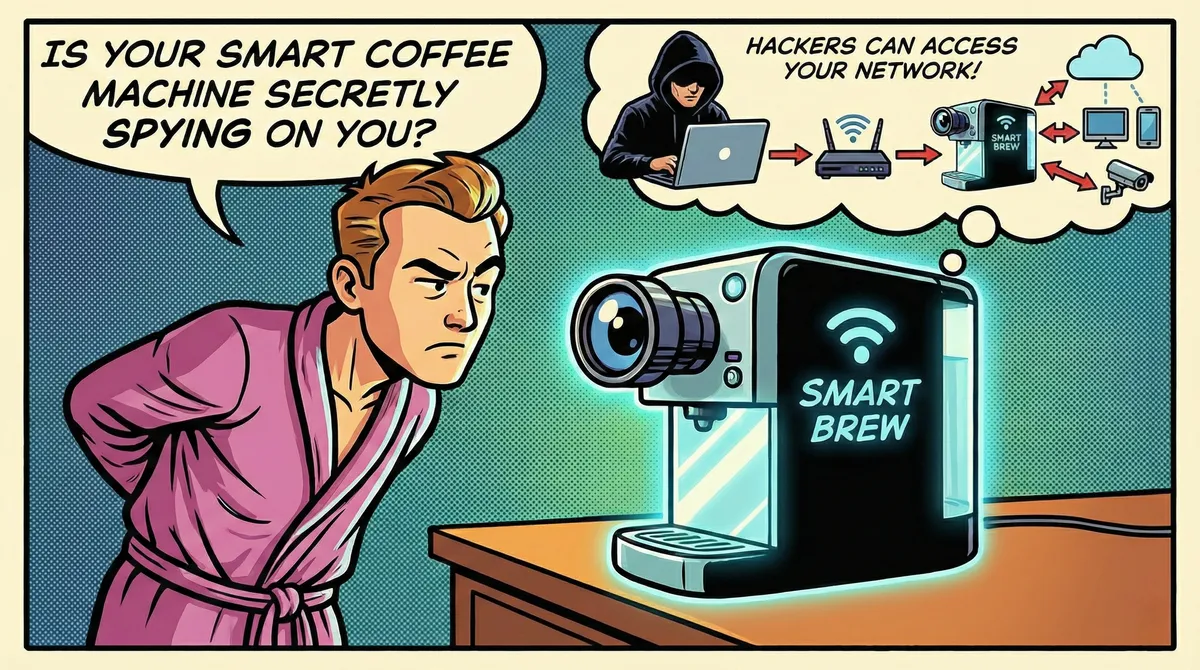
Is Your Smart Coffee Machine Secretly Spying on You?
IoT (Internet of Things) devices are everyday smart gadgets connected to the internet to make your business life easier.
I’m talking about smart thermostats, security cameras, Wi-Fi printers, voice assistants, smart lighting, and even the smart fridge in the breakroom.
They automate tasks and improve efficiency (which is great), but they also are potential entry points for cybercriminals.
The reality is that many of these gadgets come with weak security.
People tend to overlook them in their security plans because they see them as appliances, not computers.
The problem is… hackers use these to access business networks more often than you’d like to know.
No need to panic though, as you can lock them down effectively with these three steps:
-
Change Default Passwords Immediately.
Most devices come with factory settings like “admin” and “password.” Hackers have lists of these for almost every manufacturer out there.
Change these to strong, unique passwords the moment you take the device out of the box. Use a password manager so you don’t have to remember them all.
-
Isolate IoT Devices on a Separate Network.
This is the single most important step. Do not connect your smart lights or breakroom TV to the same Wi-Fi network as your accounting software and client files.
Create a separate “Guest” or “IoT” network on your router. This acts like a quarantine zone. If a hacker gets into your smart coffee machine, they are trapped there and can’t jump over to your servers or laptops.
-
Keep Software and Firmware Updated.
Manufacturers find security holes constantly and release updates to fix them. However, unlike your laptop, your printer won’t always tell you when it needs an update.
You need to check the settings regularly or turn on automatic updates if the option exists.
Bonus Tip: If you aren’t using a feature, turn it off. Does your printer really need “remote access” enabled so you can print from another country? Probably not.
Disabling unused features gives hackers less options for them to hack into your network.
THE TECH TIP
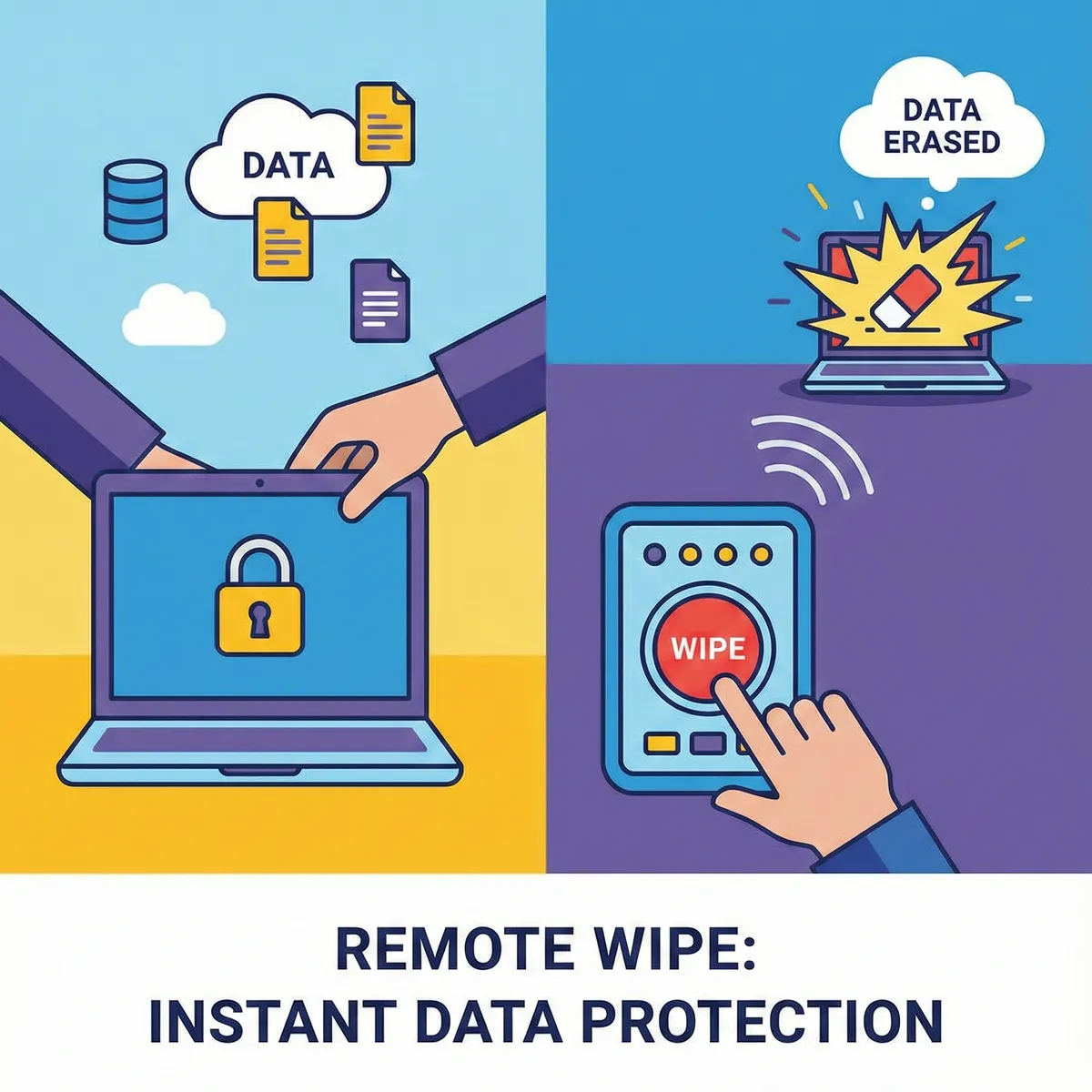
Activate Remote Wipe on Laptops
Protect your business data by activating Remote Wipe on employee laptops. If a device is stolen, remote wipe lets you erase all data instantly to prevent leaks.
For Windows, use Microsoft Intune or the built-in “Find My Device” feature. For Mac, enable “Find My Mac” in iCloud settings.
THE LATEST NEWS
🗣️ Hidden Code Reveals ChatGPT Ads
Code strings found in the latest Android beta version of ChatGPT suggest that OpenAI is experimenting with a new “marketplace” ad feature. While nothing is live for the public yet, the leaked “bazaar” and “search ad” labels hint that contextual product suggestions might be coming to your chats in the future.
🤝 Google and AWS Finally Play Nice
In a rare move, Google Cloud and AWS are collaborating to simplify networking between their platforms. This new “Cross-Cloud Network” means businesses using both services can finally move data between them easily, without the usual connection headaches or complex workarounds.
🧠 AI Tools for Mental Health
SonderMind has launched a new suite of clinically backed AI tools designed to assist therapists rather than replace them. The AI handles heavy admin tasks like note-taking and even helps generate treatment plans. It frees up clinicians to focus on the patient, but it begs the question: Would you trust a treatment plan put together by AI?
THE INTERESTING STATISTIC

75% of Organizations Hit by IoT-Related Breaches in The Last 12 Months
According to the State of IoT Adoption 2025 Report by Eseye, a staggering 75% of organizations experienced an IoT-related security breach in the last 12 months.
These connected devices have become the definitive weak link in corporate networks, often providing hackers with easy backdoors simply because default passwords aren’t changed or firmware remains outdated.
We actually saw a massive real-world example of this recently with the BadBox 2.0 botnet.
Disclosed by Google and security partners in 2025, this botnet infected over 10 million IoT devices, including smart TVs, digital picture frames, and even in-car infotainment systems.
Cybercriminals used these compromised devices to launch large-scale attacks and hijack accounts, causing damage far beyond just the devices themselves.
We’ve also seen hackers break into smart security cameras, like Ring devices, by exploiting reused credentials to spy on premises.
These incidents underscore that unsecured devices can compromise your entire business.
THE GADGET OF THE MONTH
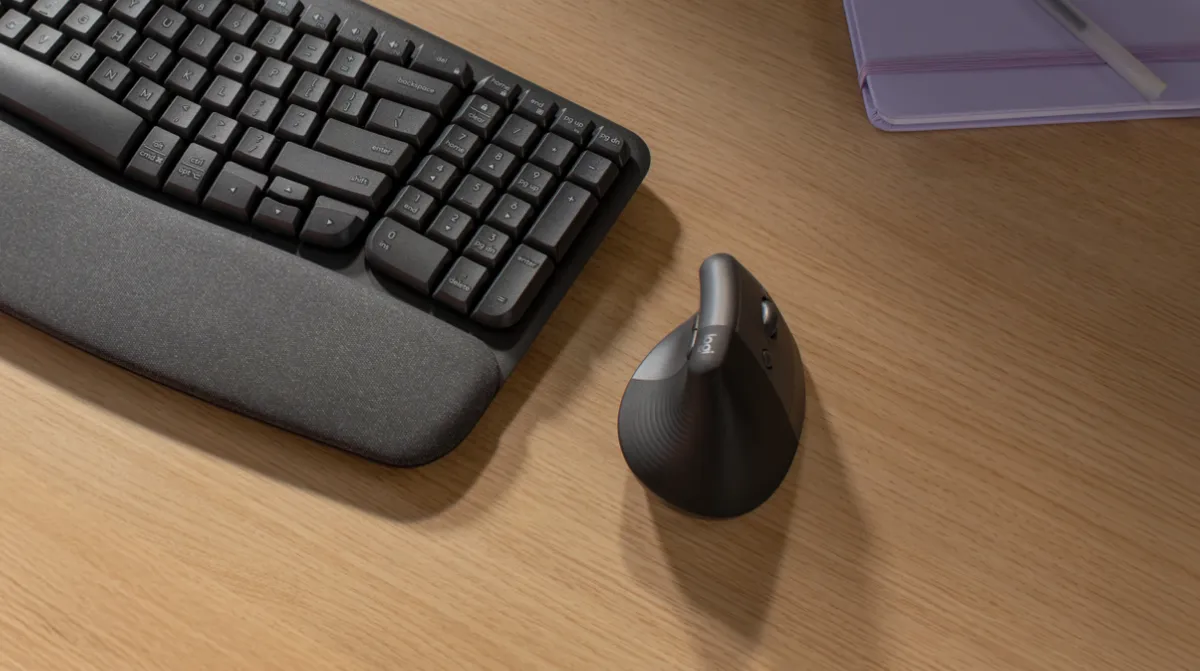
If wrist pain or discomfort from traditional mice is slowing you down, the Logitech Lift Vertical Mouse offers an ergonomic solution designed for business owners and office workers.
Its unique “handshake” design keeps your hand and wrist in a natural, neutral position, dramatically reducing strain during extended computer use.
It connects effortlessly via Bluetooth, works on multiple devices, and fits medium and small hands perfectly. It’s a small affordable investment that saves you from experiencing Carpal Tunnel Syndrome down the road.
THE BOOK OF THE MONTH
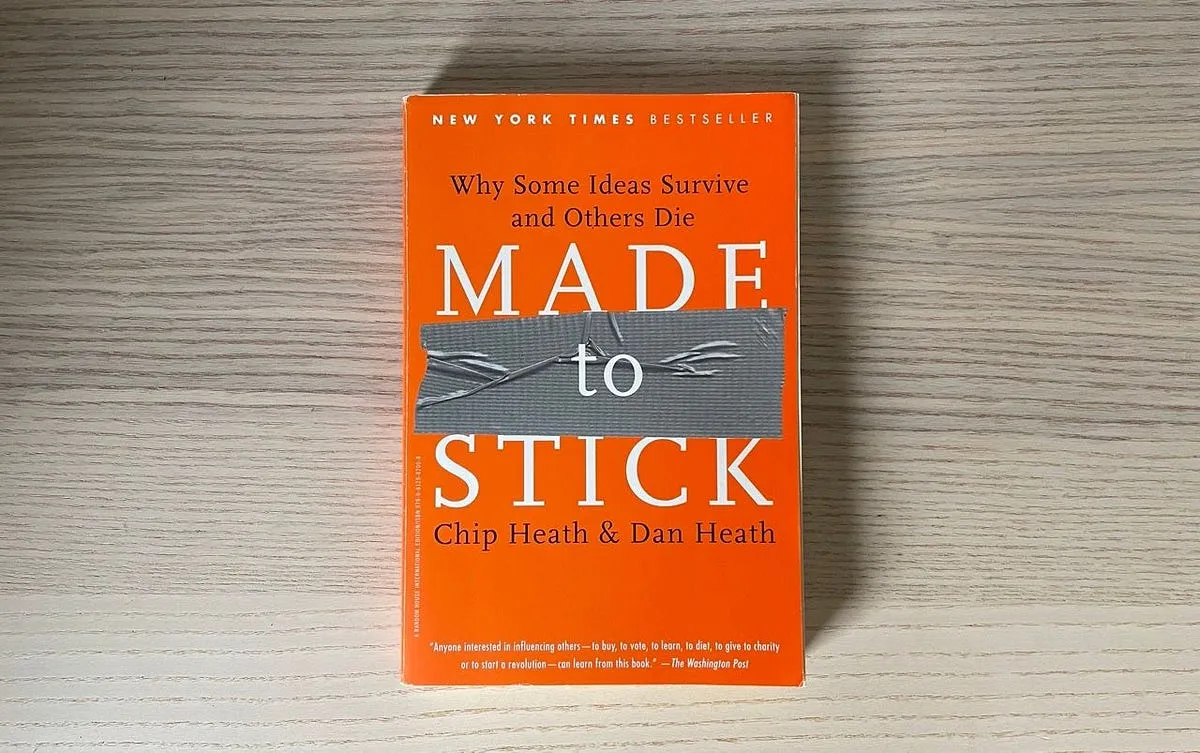
Ever wonder why some business ideas, slogans, or strategies seem to catch on like wildfire while others fizzle out and are forgotten?
Made to Stick breaks down the science behind what makes ideas memorable and effective.
The Heath brothers explain the six principles of “sticky” ideas: simplicity, unexpectedness, concreteness, credibility, emotion, and stories. They offer practical steps you can apply to your marketing or leadership communications right away, whether you’re pitching a new product or rallying your staff around a vision.
DID YOU KNOW?
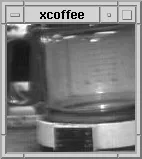
The first webcam was invented at Cambridge University to monitor a coffee pot. Researchers were tired of wasting trips walking down the hall to an empty pot, so they set up a camera to check the coffee levels remotely.
Thanks for reading!
My team and I put this newsletter together to share tech advice that’s actually useful, and (hopefully) even fun to read 🙂
When we’re not writing these, we’re helping businesses like yours become more secure and stay productive without all the tech headaches.
If you ever need a professional opinion on anything IT related, simply reach out and let me know.
We’re here to help 🙂