
Cybersecurity
76 articles in this category.

October 15, 2026
Small Business IT Budget: What to Include and How to Plan It
Your IT budget should include the technology you already use, the support required to maintain it, and the upgrades you expect to make during the year. It should also cover cybersecurity, backups, employee changes, planned projects, and a reserve for urgent repairs or replacements.

October 14, 2026
Should Employees Use Personal Devices for Work?
Allow personal devices only for approved work, through approved apps, and when the device meets your security requirements. Use company-owned devices for administration, sensitive work, or jobs that require large amounts of data to be stored locally.
October 12, 2026
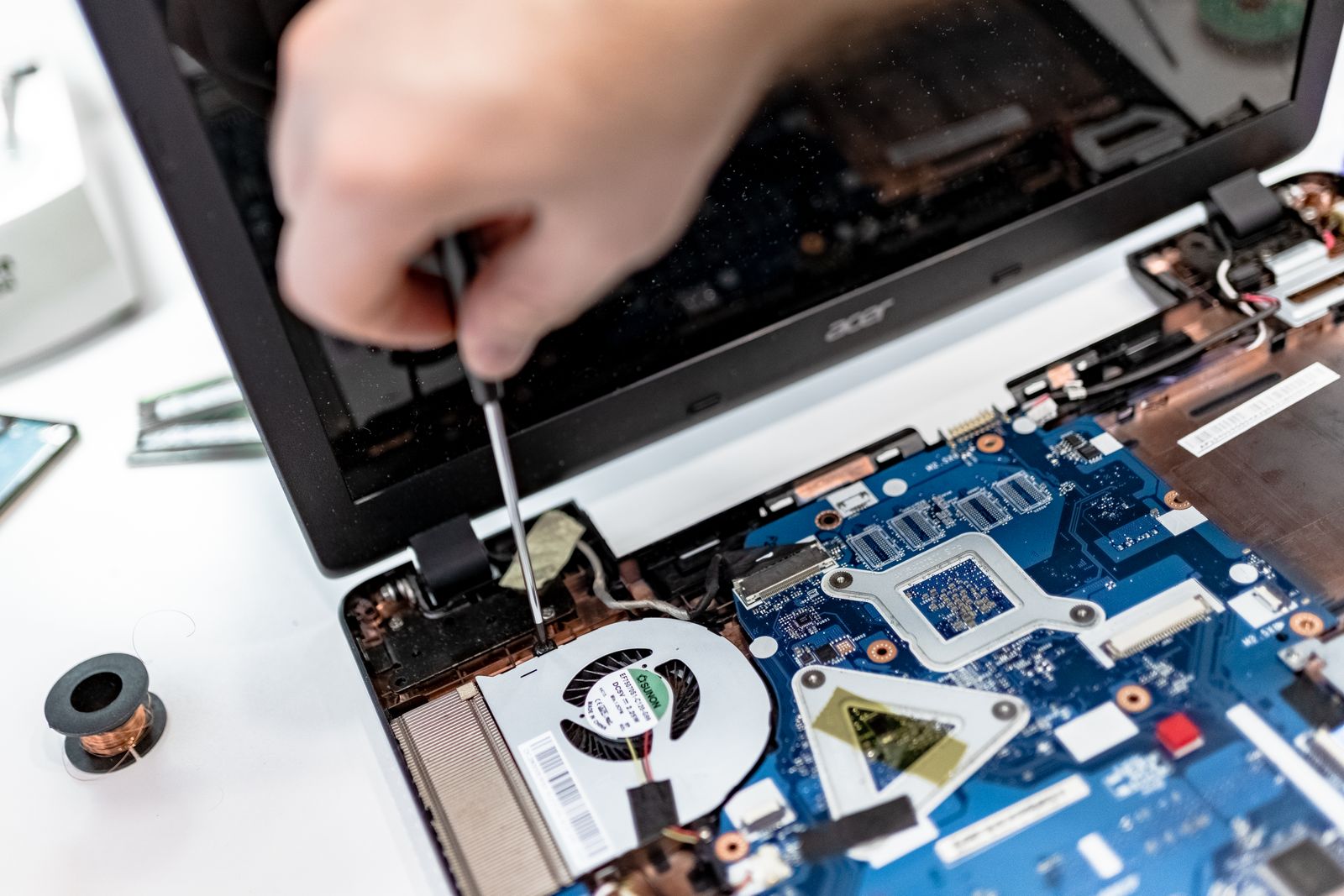
How Long Business Computers Last and When to Replace Them
Three to five years is a practical replacement range for many business computers. The right time depends on security support, reliability, performance, warranty coverage, repair costs, and the employee’s work. Replace any computer that cannot run a supported operating system or the...
October 12, 2026
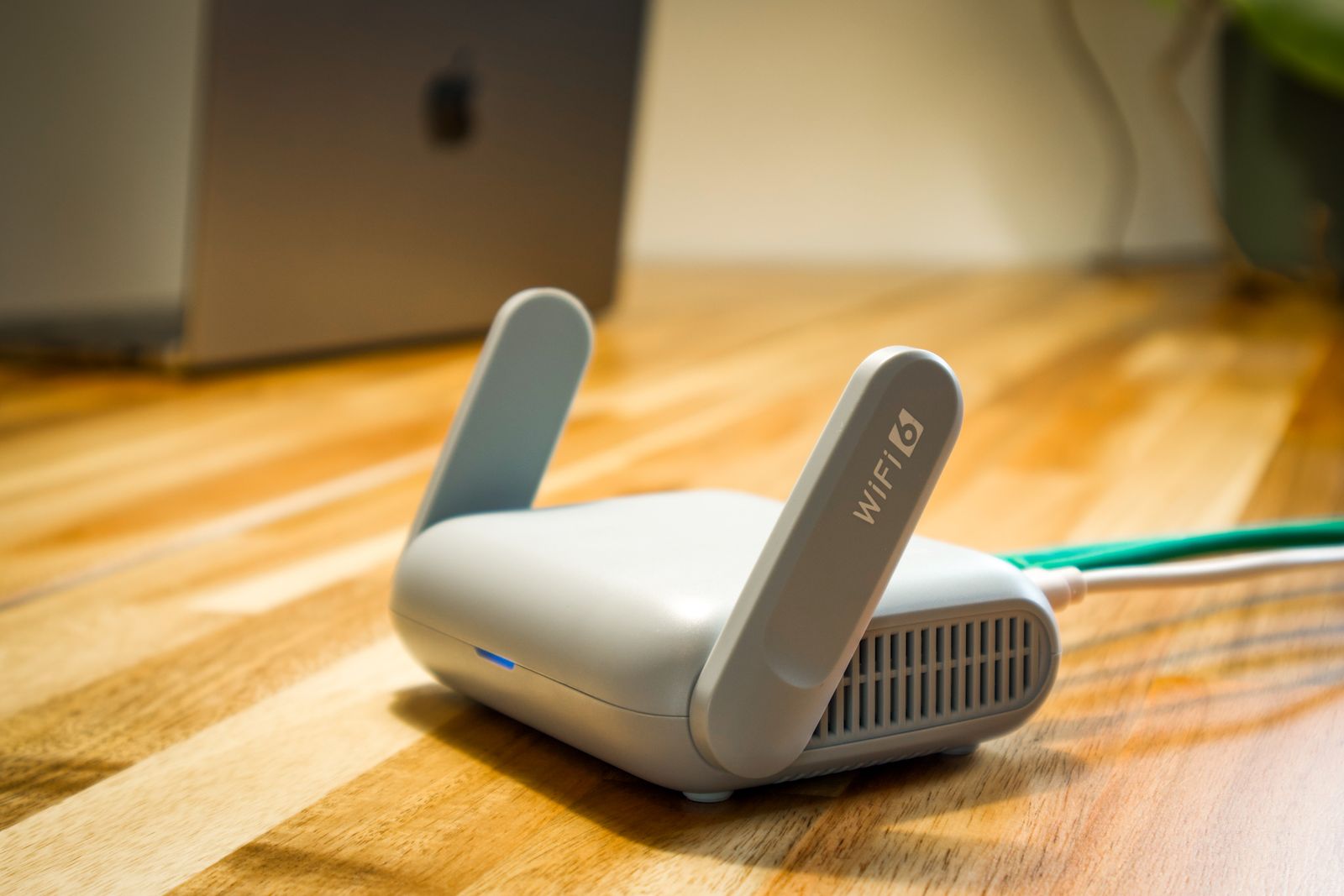
Why Guest Wi-Fi Should Be Separate From Your Business Network
Guest Wi-Fi should provide internet access while blocking connections to your internal business network. A different Wi-Fi name and password do not confirm that the networks are separated. The router, access points, and firewall must also be configured to prevent guest devices from...

October 7, 2026
Why Your Employees Shouldn’t Have Administrator Access to Their Computers
Employees should use standard accounts for email, web browsing, and everyday work. Administrator access should be limited to approved IT tasks and protected with a separate account.
September 28, 2026
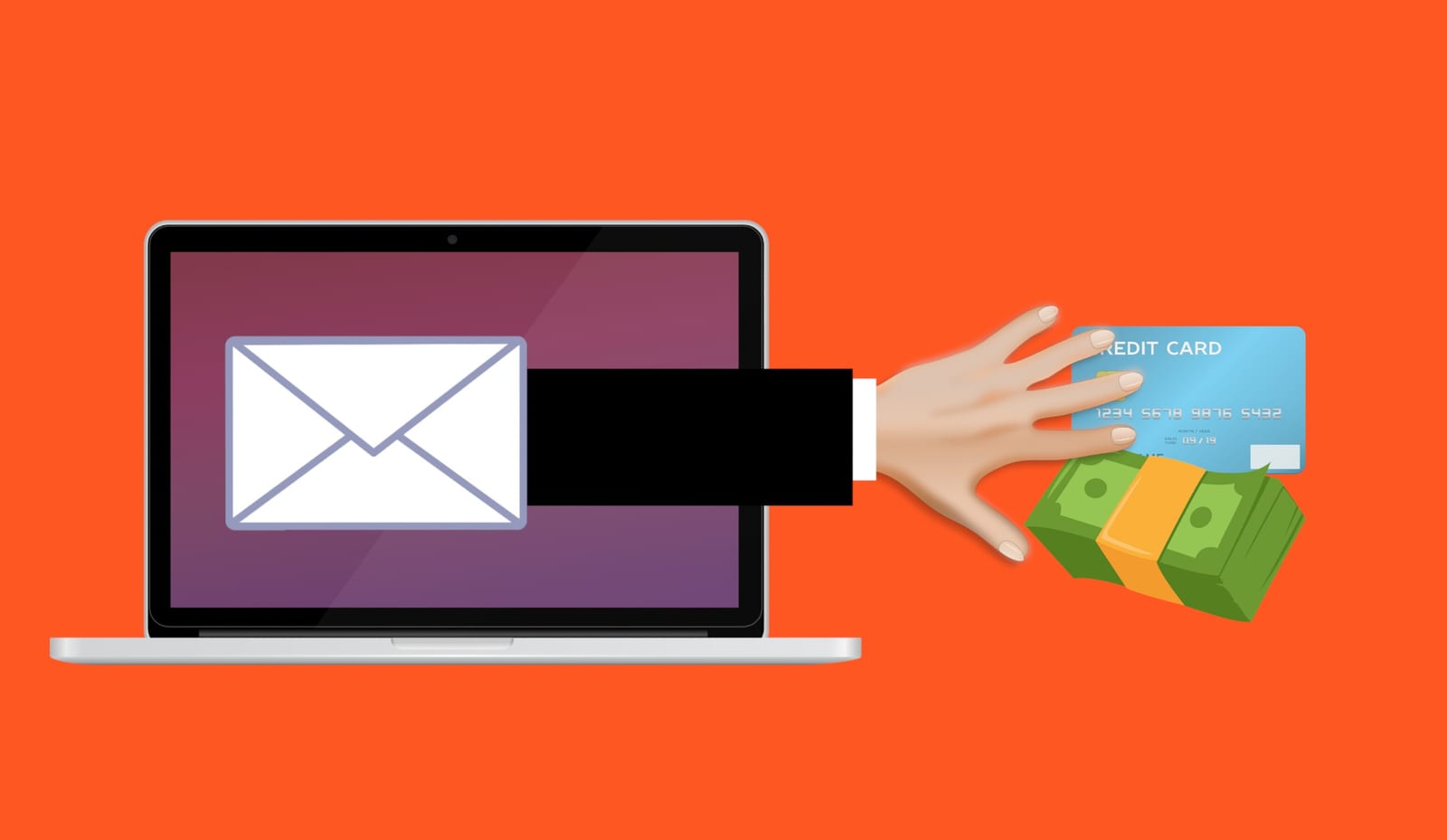
How to Spot a Scam Email Now That They Look Real
Scammers now use AI to write their phishing emails, so the spelling and grammar mistakes that used to give them away are gone. The UK's National Cyber Security Centre and the FBI both warn that AI makes these messages cleaner, more personal, and harder to spot. The way to catch them...
September 21, 2026
Why You Should Scroll Past the First Result on Google
Scammers buy ads on Google and other search engines using the names of trusted brands and software, so their fake site shows up at the very top, above the real one. Click it and you can land on a fake page that steals your login or installs malware. You can avoid nearly all of it by...
September 16, 2026
Is Your Business Website a Security Risk?
Most small-business websites run on WordPress, and the biggest risk is usually old plugins that nobody has updated. Attackers scan the web for these known weak spots and use the sites they find to spread malware, post spam, or steal what visitors type into forms. Keeping the site and...

September 14, 2026
The 30-Minute IT Check Every Small Business Should Do Once a Month
Most IT problems don't appear out of nowhere. Backups quietly stop running, updates sit unfinished for weeks, and old staff accounts stay switched on for months. A short check once a month catches these while they're still cheap to fix. This post covers the six things to look at.
August 31, 2026
Still on Windows 10? Here's Why You're Putting Your Business at Risk
Windows 10 reached the end of Microsoft support on October 14, 2025, which means it no longer gets security updates. The computers still work, but any new flaw found in Windows 10 will never be fixed, which makes them easier to attack and can cause problems with compliance and cyber...

August 27, 2026
What Are Passkeys, and Should Your Business Use Them?
A passkey lets you sign in to an app or website using the same fingerprint, face, or PIN you use to unlock your phone or laptop, with no password to type. It's built on a security standard called FIDO that can't be phished, because the passkey only works on the real site and there's no...
August 24, 2026
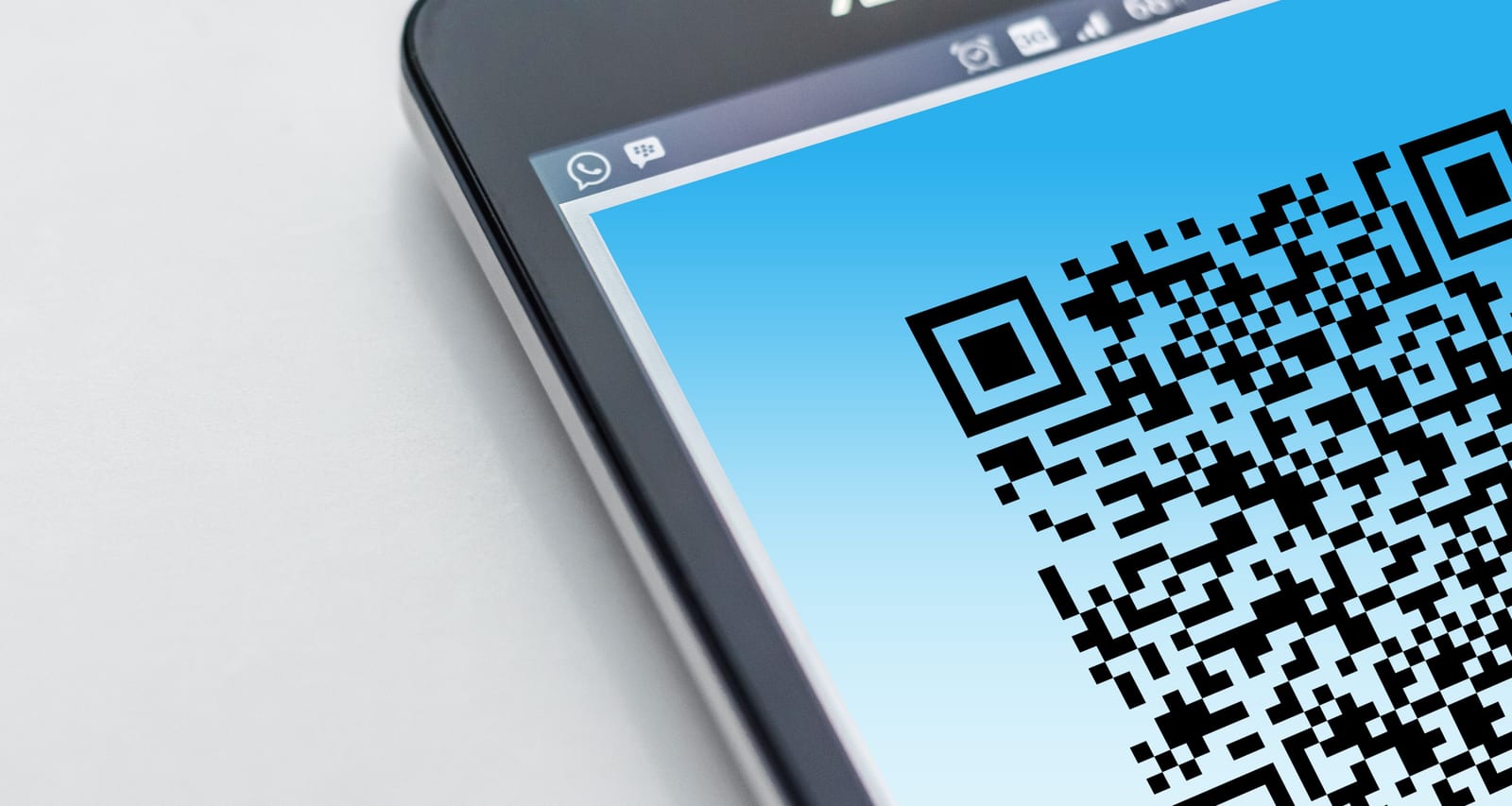
QR Code Scams: What They Are and How to Protect Your Business
A QR code scam, sometimes called quishing, hides a malicious web link inside a QR code. Because the link is buried in an image instead of written as text, it slips past the email filters that normally catch bad links, and scanning the code usually moves the victim onto a personal phone...
Showing 1 to 12 of 76 articles